Keno boards across Australian venues and online lobbies love to highlight the latest drawn digits, but the real story sits in how those patterns form and fade. Hot and cold numbers are a useful lens for tracking short-term variance, not a crystal ball for your next ticket. When you treat them as a way to watch distribution shift rather than a reason to chase overdue picks, the game becomes clearer and your bankroll lasts longer.
What Hot And Cold Numbers Actually Mean In Keno
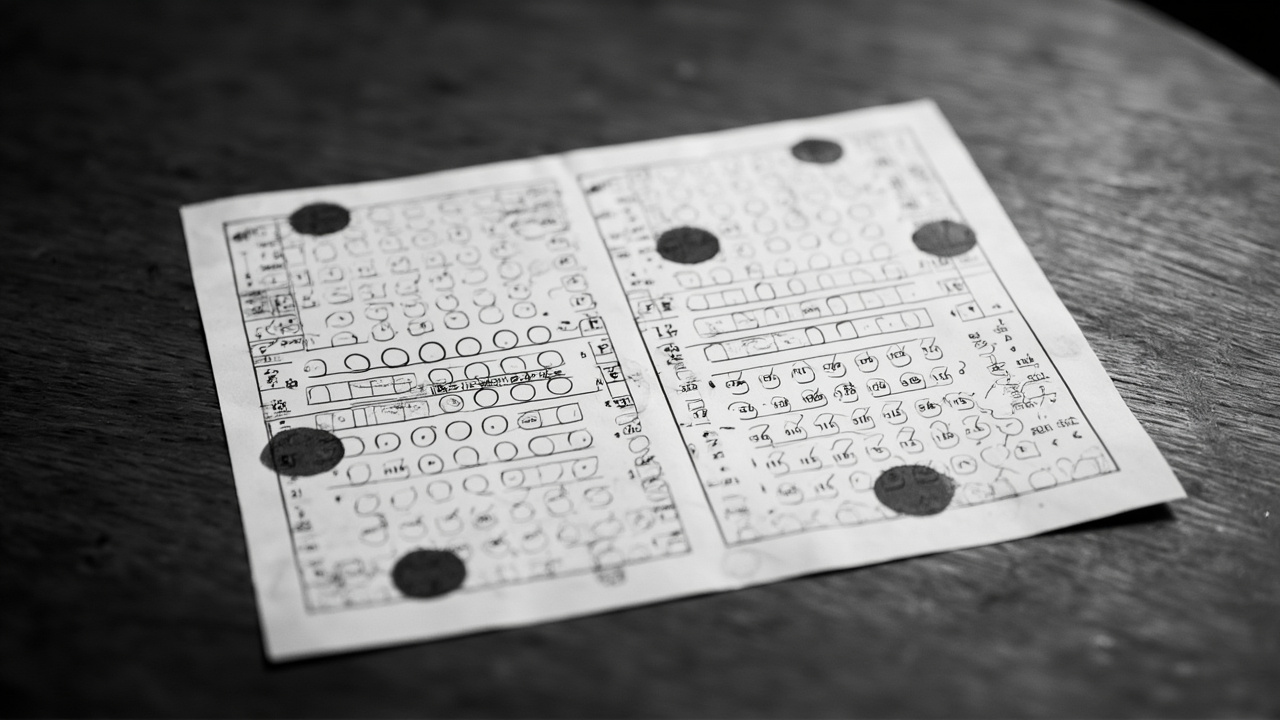
A hot number is simply one that has appeared more frequently than the average over a defined window, while a cold number has shown up less often than expected in that same stretch. The trick is the window itself, because a run of twenty draws can make a digit look feverish one afternoon and ordinary by the arvo. I’ve built probability models for slot volatility and content schedules at Skywind, and the same discipline applies here: define the sample, lock the rules, and stop redrawing the line every time a number pings. Australian players often see these labels on digital keno screens alongside recent-history grids, and those displays are meant to show frequency, not destiny. Treat the colour coding as a snapshot of recent draws, then decide whether your ticket is built around clustering recent hits or spreading picks across the board. le bandit demo over practice credits Play For Real Money At An
How To Read The Board Without Overfitting Your Ticket
Choose A Window You Can Stick To
Pick a fixed number of past draws and leave it alone, because shifting the sample every time a digit goes quiet just manufactures a story. A hundred-game window smooths out the noise more reliably than a twenty-game sprint, and it gives you a sturdier sense of whether a number is genuinely cycling hot or just riding a short bump. I’ve seen production teams in Asia and Europe try to retune content metrics daily, and the data always punishes the people who keep moving the goalposts. Set your window, note the counts, and compare new draws against that same baseline rather than rewriting the rulebook mid-session.
Separate Frequency From Expectation
Frequency tells you what happened; expectation tells you what the math says should happen over time. A number can sit hot for a session and still be well within normal variance, just as a cold digit can stay quiet through a long dry patch without any hidden force pushing it down. If you’ve ever watched a Melbourne tram packed tighter than a Melbourne tram on AFL Grand Final day, you know how quickly a crowd looks uniform from the outside and messy up close. Keno draws work the same way: the board looks patterned when you zoom in, but the underlying distribution stays flat. Use the hot and cold labels to spot short-term clustering, not to argue with the odds.
Keep Ticket Construction Honest
If you decide to lean on recent hot numbers, spread your picks so one streak doesn’t dominate the whole ticket, and if you prefer cold numbers, accept that you are betting on a reversal that may not arrive in your session. A balanced line with a mix of recent activity and untouched digits is usually less volatile than stacking everything on the current front-runners. I’ve reviewed player-fit models for registration flows and first-deposit experiences across multiple markets, and the people who last longest are the ones who pick a construction style and repeat it, rather than rewriting their strategy after every result. Write down your pick style before you press play, then judge the session by whether you stuck to it, not by whether one number finally fired.
Who This Approach Suits Best
Players who enjoy watching patterns and want a structured way to choose picks tend to get the most out of hot and cold number tracking, especially if they already like keeping notes between sessions. It suits someone who treats keno as a measured pastime rather than a sprint for a big hit, and it works best when the player is comfortable with variance and clear about their spend before the first draw. If you want to try the approach with play credits before committing, you can spin up the le bandit demo over practice credits and watch how often your chosen window actually produces the pattern you expected. Real-money play asks for a bit more discipline, so it helps to read a short piece on how to play for real money internet casino sessions with more confidence before you fund a first deposit. The method is less useful for players who want instant certainty or who keep changing their pick style after every round, because that behaviour turns a simple frequency tool into a moving target.

Practical First-Session Checklist
- Confirm you are in an eligible Australian jurisdiction and meet the site’s age and identity rules before you register.
- Complete verification promptly, since delayed documents usually hold up the first withdrawal more than the first deposit.
- Fund the account in the listed currency and note any bonus terms that affect keno contributions or wager requirements.
- Pick one fixed draw window for your hot and cold counts and write it down before you buy your first ticket.
- Start with a ticket size and session limit you are comfortable with, then stop if the limit is reached regardless of the board.
Keno hot and cold numbers are most useful when they give you a repeatable way to choose picks and a clearer view of short-term variance, not when they become a reason to keep reloading the history page. Use them as a lens, keep your window fixed, and let the session end on your terms rather than on the hope that an overdue digit is finally due.